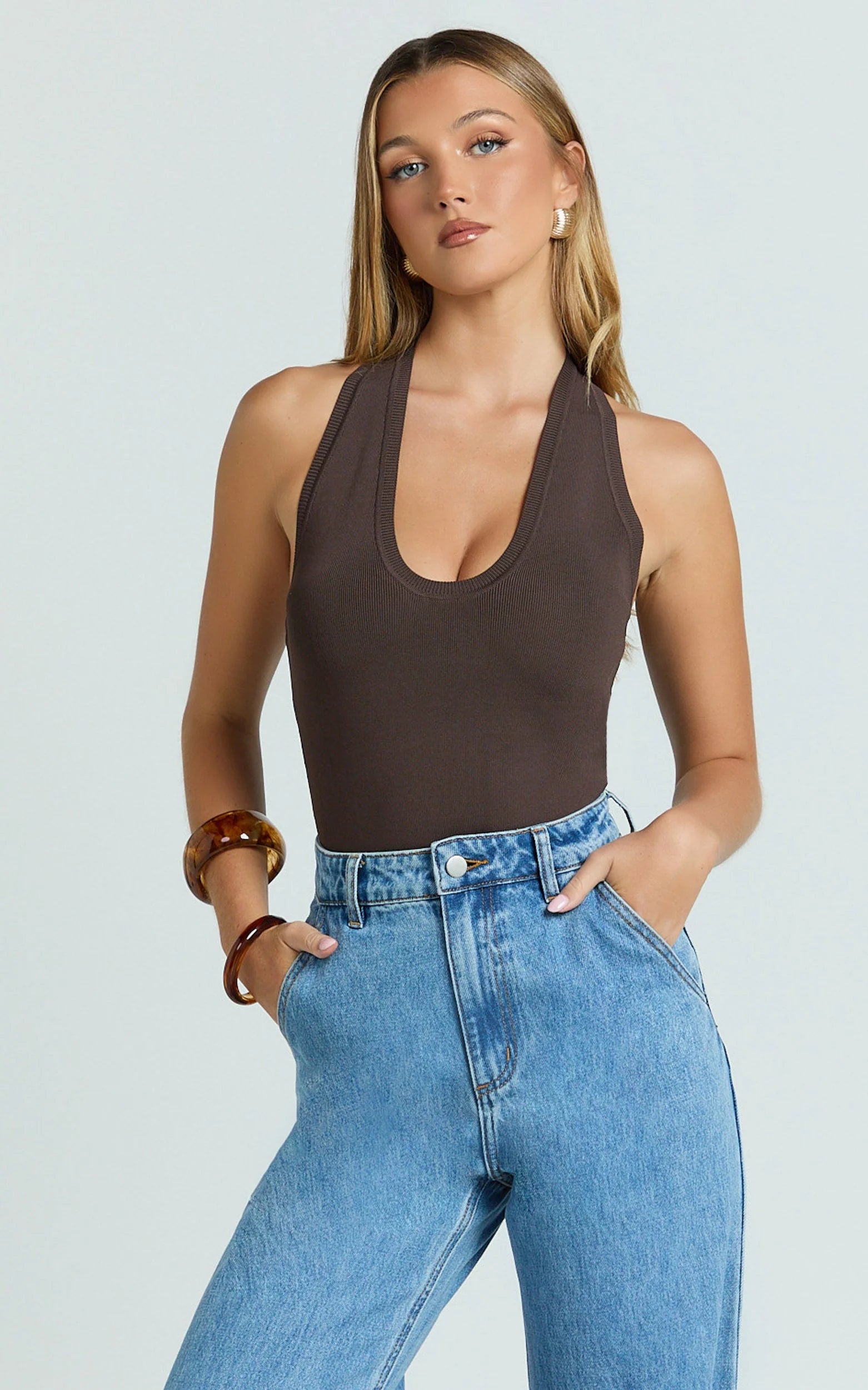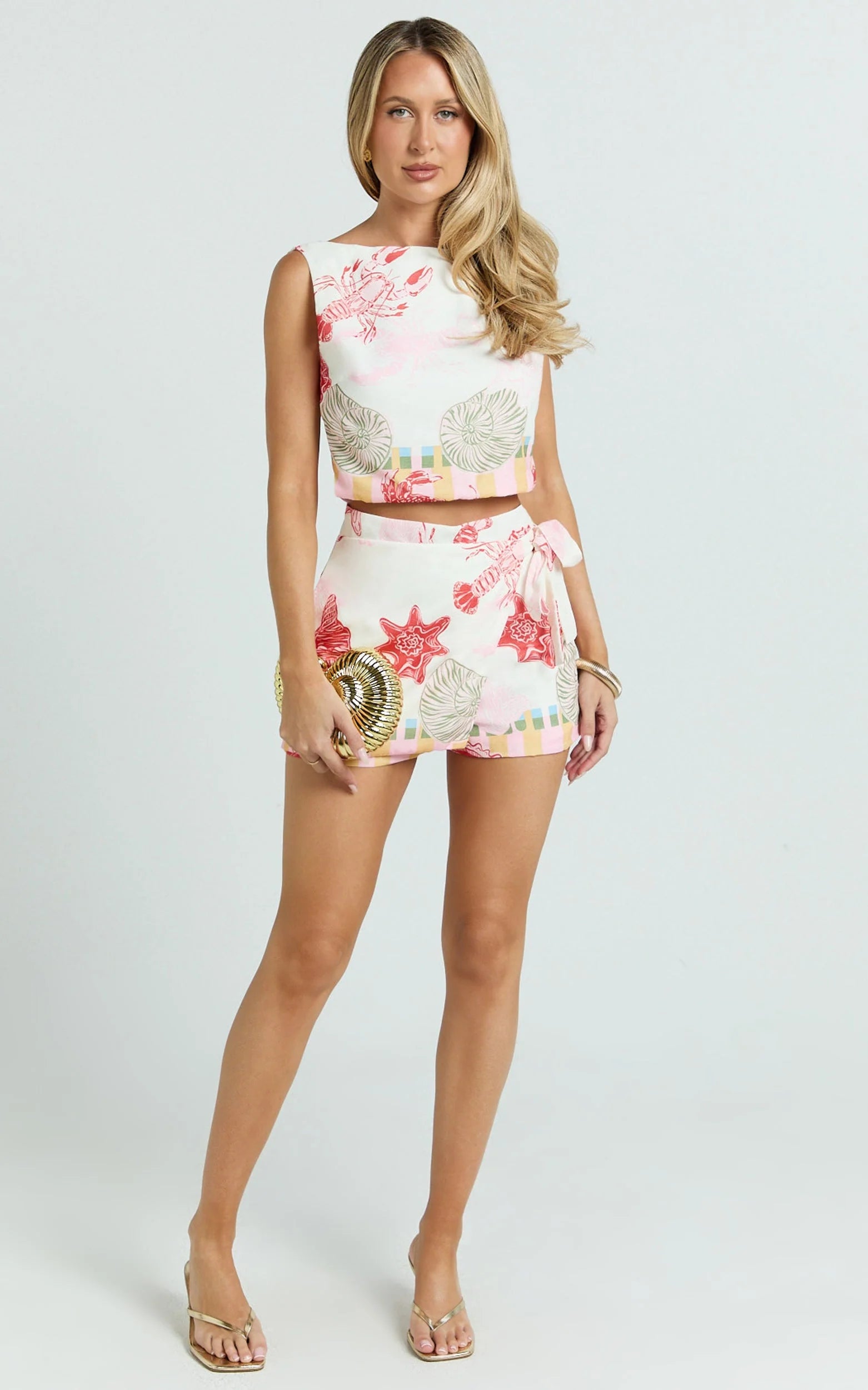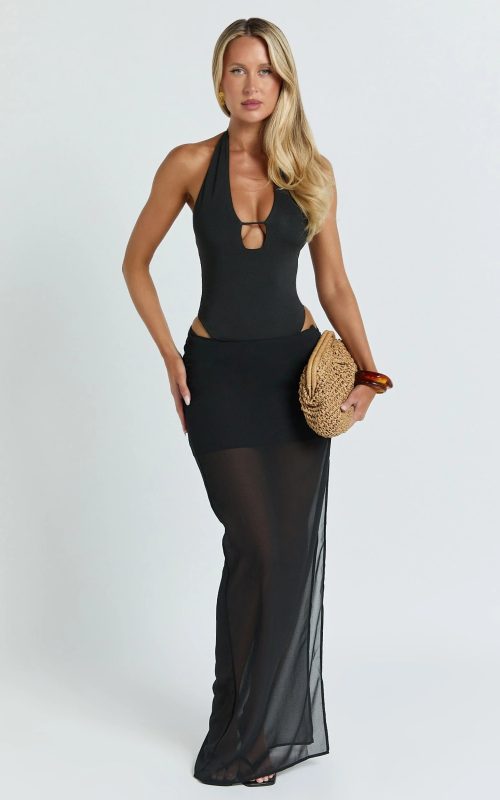
Designed for the Way You Move
Modern silhouettes, considered details, effortless confidence.
WARDROBE STUDY / 20
Wardrobe Essentials
04
A strong wardrobe begins with pieces that support more than one version of the day. These four foundations are chosen for their ability to shift between polished and relaxed styling through proportion, fabric, and simple changes in layering.
FOUR FOUNDATIONS / ONE WINDOW
01
White Shirt
CLEAN LAYER / CRISP FOUNDATION
A precise white shirt brings light and definition to tailoring, denim, skirts, and softer knitwear without deciding the entire mood of the outfit.
FABRIC / CONSTRUCTION
Dense cotton poplin with a controlled collar, clean cuffs, and enough body to hold its line when worn open.
STYLING IDEA
Leave the collar relaxed beneath a jacket and expose the cuff to create contrast against darker layers.
02
Relaxed Pants
FLUID LINE / EASY VOLUME
EDITORIAL NOTE
A wider trouser introduces ease without losing polish. The silhouette works because the waist remains clean while the leg is allowed to move.
FABRIC / CONSTRUCTION
Fluid wool-blend cloth with a soft front crease, discreet waistband, and enough weight to fall vertically.
STYLING IDEA
Pair with a compact knit or tuck in the white shirt so the relaxed leg has one clear point of definition.
04
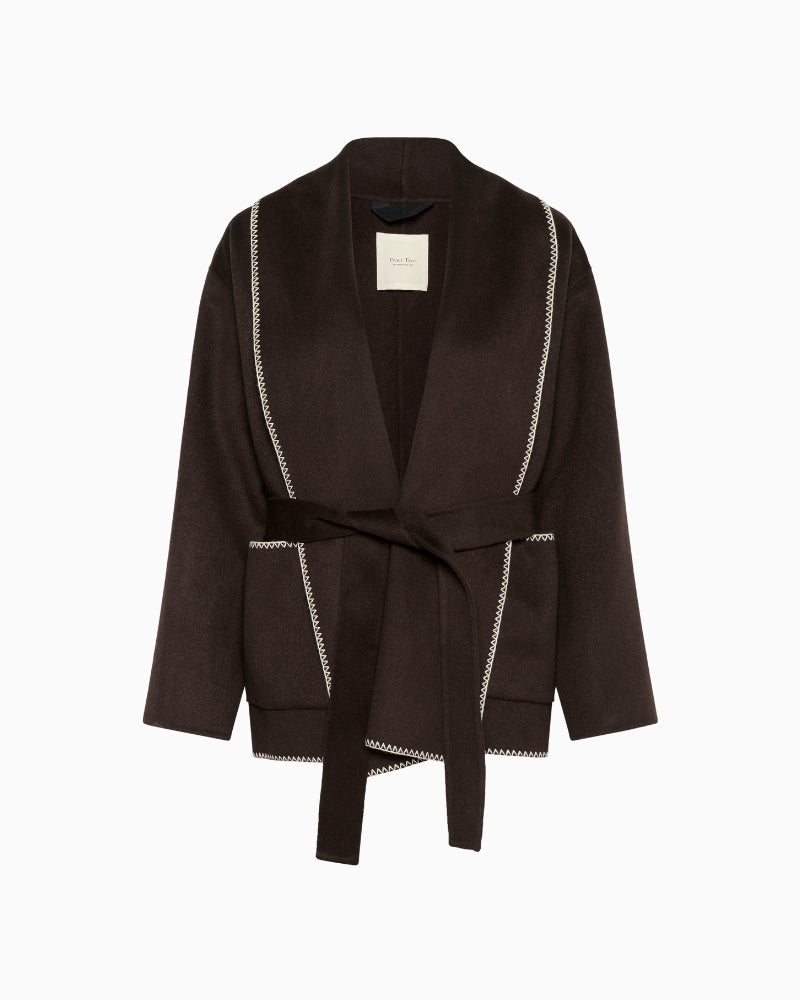
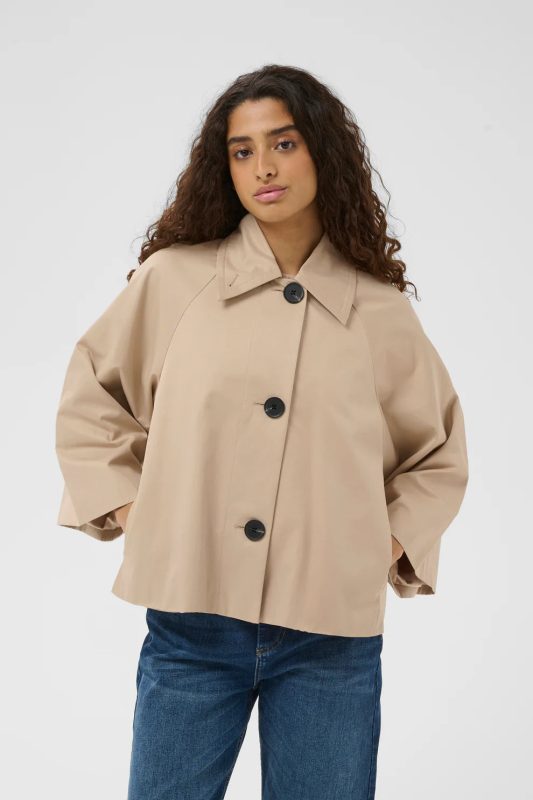
Light Jacket
TRANSITIONAL LAYER / SOFT STRUCTURE
A lightweight jacket gives an outfit an outer boundary without the weight or formality of a full coat.
FABRIC / CONSTRUCTION
Washed cotton twill with an unlined body, practical pockets, and a lightly structured shoulder.
STYLING IDEA
Wear it open over the dress or button it over a fine layer with relaxed trousers for a compact upper line.
03
Everyday Dress
ONE-PIECE FOUNDATION / MOVEMENT
The everyday dress creates a complete silhouette in one gesture, yet remains open to change through outer layers, footwear, and the way the waist is handled.
FABRIC / CONSTRUCTION
Mid-weight woven viscose with shaped seams, a clean neckline, and controlled volume through the skirt for easy movement.
STYLING IDEA
Add the light jacket for daytime structure, or layer the white shirt beneath it when the weather calls for a more defined neckline and sleeve.
A Study in Visual Balance
The Quiet Confidence of Proportion
Two simple garments can contain the same colors, similar fabrics, and almost no decoration, yet feel entirely different once their proportions change. A hem moves upward, a shoulder becomes broader, a waist loosens, and suddenly the whole attitude of the outfit shifts.
Balance does not mean making everything equal.
The most convincing proportions often come from contrast. A generous trouser can make a close-fitting knit feel sharper. A full skirt gains clarity beside a compact jacket. An oversized shirt can appear deliberate when the lower half of the outfit provides a cleaner vertical line.
Volume works best when the eye can understand where it begins and ends. If every part of an outfit is equally loose, the silhouette may lose definition. If every element is closely fitted, the clothes can begin to feel restrictive even before they physically are. Creating one clear area of ease and one clear area of control often gives an outfit enough tension to feel expressive without becoming complicated.
This is why proportion is more useful than a fixed rule about what should be fitted or oversized. The question is not whether a garment is large or small, but how its scale interacts with everything around it.
Definition can be precise, suggested, or deliberately absent.
The waist is one of the strongest visual reference points in clothing, but emphasizing it is only one option. A high waist can lengthen the lower body and give volume a clear starting point. A dropped waist creates a longer torso and a quieter transition into the skirt or trouser. A straight, unbroken silhouette can remove the waist entirely and allow fabric, length, and movement to become the focus instead.
The most useful approach is to notice how different placements change the feeling of the outfit. A belt can introduce structure to a fluid dress, while releasing that same waist can make the garment feel more relaxed. Neither version is inherently more flattering. They simply communicate differently.
Every hem creates a new visual horizon.
Length determines where the eye pauses. A cropped jacket places emphasis higher on the body and can make a long skirt or trouser appear more expansive. An elongated blazer lowers that point of interruption, creating a calmer and more continuous silhouette.
Hem length works in the same way. A midi skirt exposes enough of the lower leg to create separation from the shoe, while a floor-skimming shape replaces that separation with one uninterrupted line. Even a few centimeters can change the balance between garment, body, and footwear.
4
Tops and bottoms should speak to one another.
An outfit often feels resolved when the upper and lower halves establish a clear relationship. A short, structured top can give purpose to a softer lower volume. A long shirt over narrow trousers can create a deliberate vertical emphasis. A tucked knit can define the beginning of a wide trouser, while leaving it untucked creates a longer, more relaxed torso.
The goal is not to divide the body into ideal mathematical sections. It is to create a composition that feels intentional. Sometimes that means contrast; sometimes it means allowing one long line to continue almost uninterrupted.
Confidence often appears when an outfit gives the body enough room to exist while still offering the eye a clear sense of direction.
The upper body can change the scale of everything below it.
Shoulders establish the architecture of many outfits. A softly dropped shoulder creates ease and can make tailoring feel less formal. A more defined shoulder introduces width and presence, often allowing trousers or skirts to become simpler because the upper silhouette already has a strong point of view.
Sleeves extend that architecture. A narrow sleeve keeps the line controlled. A wide cuff can add weight near the wrist. A full sleeve creates movement between shoulder and hand, while a shortened sleeve reveals more skin and reduces visual heaviness.
These details matter because the sleeve is rarely still. It bends, folds, gathers, and moves beside the torso throughout the day. Its proportion affects not only how the garment photographs, but how it feels in motion.
Structure feels more natural when fabric is allowed to answer back.
Proportion is never separate from material. A wide trouser in crisp fabric creates a different scale from the same width in fluid cloth. A structured coat holds its distance from the body, while a softer coat collapses closer to it. A full sleeve may feel sculptural in cotton but almost weightless in silk.
This is where movement softens geometry. Clean shoulders can coexist with a fluid skirt. A precise waist can release into a generous hem. A long coat can open as the wearer walks, briefly changing from one narrow vertical form into something much broader.
Thoughtful dressing makes room for these changes. The strongest proportions do not remain frozen; they continue to look balanced when the wearer sits, reaches, walks, removes a layer, or carries something in one hand.
Proportion is not about correcting the body. It is about deciding where an outfit should feel expansive, where it should feel precise, and where it should simply be allowed to move.
The best balance is the one you recognize as your own.
Some women feel most themselves in long, continuous silhouettes. Others prefer a visible waist and a distinct contrast between upper and lower proportions. Some rely on broad shoulders, cropped jackets, wide trousers, or sleeves with noticeable volume. These preferences form a personal visual vocabulary.
Once those relationships become familiar, dressing becomes less dependent on passing formulas. Proportion turns into a practical styling language that can be repeated, adjusted, and reinterpreted across different fabrics, seasons, and occasions.
Four proportions worth noticing
Choose one dominant scale. Let one area carry the strongest volume or length, then allow the surrounding pieces to support it rather than compete with it.
Watch where lines stop. Jacket hems, waistbands, cuffs, skirt lengths, and shoes all create visual pauses. Their placement changes the rhythm of the entire outfit.
Use definition selectively. A clear shoulder, waist, ankle, wrist, or neckline can provide enough structure without requiring the whole silhouette to be fitted.
Test the outfit in motion. Proportion should continue to feel convincing while walking, sitting, layering, and moving through an ordinary day.
ALL